

PROJECT PLANNING · COST CONTROL
Build a construction estimate you can explain
A practical walkthrough for organizing quantities, current unit prices, labor, material allowances, and project costs that need separate review.
A useful estimate starts with a clear scope
A construction cost estimate is only as useful as the scope and assumptions behind it. Before adding prices, write down what work is included, the quantities you measured, the quality or specification assumed, and any exclusions. This makes it easier to compare supplier and contractor quotes on the same basis.
For a quick first pass, separate material cost from labor. Then list the other project costs that apply to your job, such as equipment, delivery, permits, taxes, subcontractors, site setup, or contingency. The calculator linked on this page covers quantity, unit price, a material allowance, and labor; other costs need to be added separately when relevant.

Planning image: maks_d / Unsplash.
The simple materials-and-labor formula
Material subtotal = quantity × unit price
Adjusted materials = material subtotal × (1 + allowance percentage ÷ 100)
Estimated total = adjusted materials + labor
In this method, the allowance adjusts material cost only; labor is added afterward. It is a simple planning estimate, not a quote or a complete project budget. Taxes, delivery, permits, equipment, overhead, financing, and contingency are excluded unless you add them as separate line items.
How to prepare a construction cost estimate step by step
Step 1: Define the work and list exclusions
Describe the work in plain language and identify its limits. Note what is included, what is excluded, the assumed material grade, and whether the price covers installation, cleanup, or disposal. A short scope statement helps prevent two estimates from appearing comparable when they cover different work.
Step 2: Measure quantities by line item
Break the job into measurable items such as square feet, cubic yards, linear feet, or unit counts. Use drawings or site measurements and record the source. Separate work that uses different materials or rates instead of combining it into one broad quantity.
Step 3: Add current unit prices
Multiply each quantity by a current supplier or subcontractor rate. Record the date and source of each price because material availability, delivery, and labor rates can change. Keep the currency consistent across material and labor inputs.
Step 4: Add material allowance and labor
Choose an allowance that reflects the project’s actual uncertainty and the way materials are purchased. Apply it to materials in the formula above, then enter labor separately. Do not treat the allowance as a substitute for checking quantities, specifications, or current quotes.
Step 5: Add other applicable costs and review
List relevant costs outside the basic materials-and-labor calculation, then check for double counting. Review the scope, units, exclusions, price dates, and arithmetic before sharing the estimate. For a major project, a qualified estimator or contractor can review the assumptions.
Worked examples
100 units at $12 each
Materials total $1,200. Add a 5% material allowance ($60), then $500 labor. The example estimate is $1,760.
50 units at $18 each
Materials total $900. Add a 10% material allowance ($90), then $900 labor. The example estimate is $1,890.
These examples illustrate the arithmetic and use made-up project inputs. Replace them with current rates and your measured quantities before relying on an estimate.
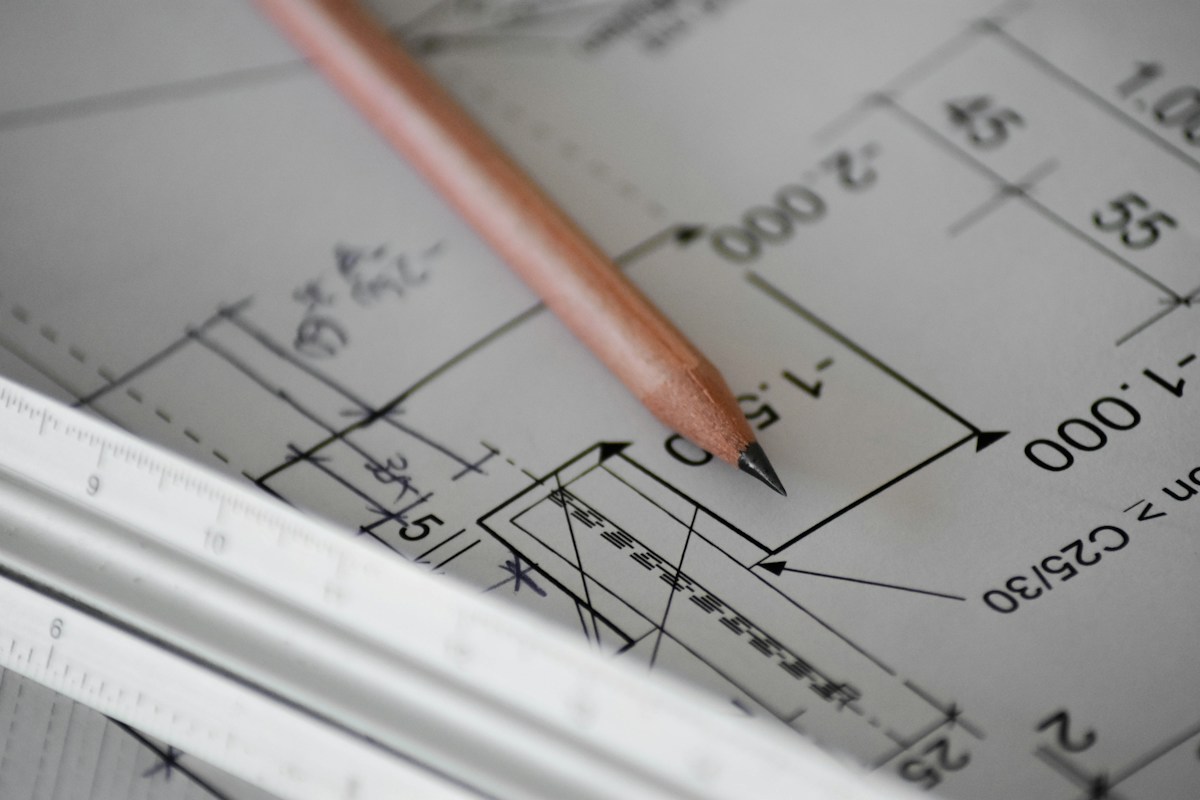
Planning image: Sven Mieke / Unsplash.
Keep these checks beside your estimate
Check units: quantities and unit prices must refer to the same basis. Check dates: note when supplier and labor rates were confirmed. Check exclusions: identify taxes, delivery, permits, equipment, or other costs that are outside the subtotal. Check uncertainty: use a separate contingency line when the project needs one, and document how it was chosen.
A clear estimate shows both the number and the reasoning behind it. That makes later revisions easier when the scope, quantity, or price changes.
Put the main cost inputs in one place
Use the tool for a quick materials, allowance, and labor calculation, then add any project-specific costs that fall outside its formula.
Frequently asked questions
Is this a contractor quote?
No. It is a planning estimate based on the figures entered. A quote should define the project scope, current rates, exclusions, taxes, and the supplier or contractor’s terms.
Does the material allowance apply to labor?
No. In the method described here, the allowance adjusts material cost only. Labor is added after the adjusted material subtotal.
Are delivery, taxes, permits, and equipment included?
Not in the simple calculation. Add applicable items as separate line entries using current figures, and label the assumptions so they are not mistaken for included costs.
How often should I update prices?
Confirm rates close to the time you prepare or revise the estimate. Material, labor, availability, and delivery costs may change; note the date and source for each important price.
Should I include contingency?
When the project needs a contingency, include it as its own documented line rather than assuming the material allowance covers every uncertainty. The right amount depends on scope, design maturity, and project risks.
Further reading
For broader estimating principles, consult the Whole Building Design Guide’s cost-estimating resource. Confirm project-specific requirements with the owner, designer, suppliers, and qualified professionals.
Construction conditions and local requirements vary. Confirm important quantities and specifications with your drawings, supplier, and qualified local professional.